
Gum recession is a serious oral health issue that many people face but often neglect. It can expose the tooth roots, leading to sensitivity, aesthetic concerns, and even tooth loss. However, having the right knowledge and applying proper treatment methods can prevent this problem. At LHC Clinic, we explore the causes, symptoms, and effective treatments for gum recession in this comprehensive guide.

There are several factors that contribute to gum recession. The primary causes include:
⚠️ Symptoms of Gum Recession
Gum recession usually progresses slowly, making it difficult to detect at first. However, the following signs should not be overlooked:
If any of these symptoms are noticed, it’s important to visit a dentist promptly.

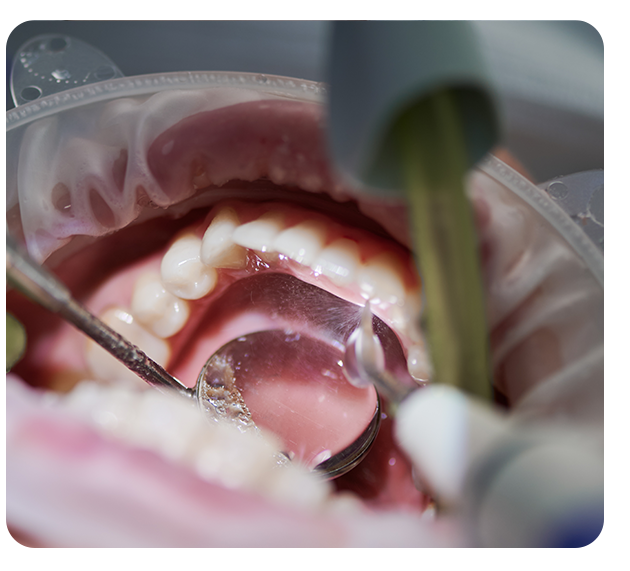
🦷 Treatment Options for Gum Recession
Treatment for gum recession depends on the severity of the condition and the underlying causes. Common treatment options include:
🛡️ How to Prevent Gum Recession
To prevent gum recession, regular oral care is essential:

🏥 Protect Your Gums with Expert Care at LHC Clinic
Gum recession can be managed with early detection and the right treatment methods. If you notice any symptoms, don’t delay in consulting with a dentist. Healthy gums are not only essential for an aesthetic smile but also play a critical role in your overall health.
At LHC Clinic, we offer the most effective treatment solutions with our expert dental team to protect your gum health. Don’t neglect your regular dental care for a healthier mouth!
After a root canal treatment:
• Expect mild tenderness, which usually subsides in a few days
• Avoid hard or chewy foods until the tooth is fully restored with a filling or crown
• Maintain oral hygiene, being gentle around the treated tooth
Regular dental follow-ups ensure the long-term success of the treatment.
Gum recession occurs when the gums pull away from the teeth, exposing roots and causing sensitivity. Treatment Options: • Deep cleaning (scaling and root planning) • Gum graft surgery in severe cases • Use of desensitizing toothpaste to manage symptoms Early treatment helps preserve gum health and prevent tooth loss.
Why Are Color, Shape, and Symmetry Harmony Important in Dental Aesthetics? In smile design, achieving harmony in color, shape, and symmetry is key to creating a natural, balanced appearance. Discrepancies can make even healthy teeth look unattractive. Factors considered: • Matching the veneers or crowns to the natural tooth color and shape • Ensuring proportionate tooth sizes relative to facial features • Aligning teeth for overall symmetry This careful planning ensures the smile enhances the patient’s overall facial aesthetics.
Good for Teeth:
• Dairy products (yogurt, cheese) rich in calcium
• Crunchy vegetables and fruits that stimulate saliva
• Water and green tea, which help cleanse the mouth
Avoid or Limit:
• Sugary snacks and drinks
• Sticky candies
• Acidic foods and drinks like citrus fruits and soda
Balanced nutrition supports not only oral health but also overall well-being.
Laminate veneers may not be suitable for individuals with: • Severe tooth misalignment or bite issues • Insufficient enamel • Habitual teeth grinding (unless managed with a night guard) • Active gum disease A thorough dental examination is necessary to determine veneer suitability.